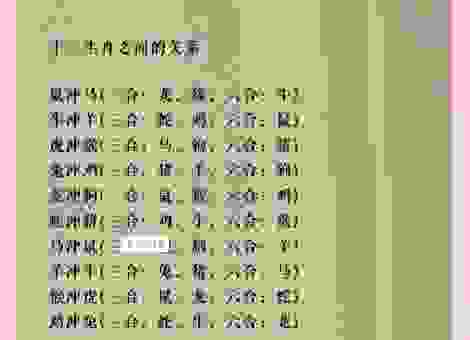
The search results show several interpretations, but "马" (Horse) is often cited as the "best" or "most direct" answer.
Reasons for "马":
1. Direct association: The idiom literally points to a deer and calls it a horse. The horse is the object of the misrepresentation.
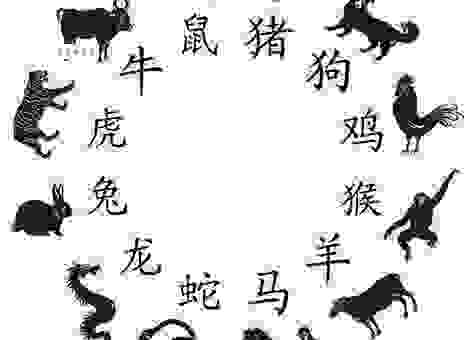
2. Lack of "Deer" in zodiac: The zodiac has no deer, but it has a horse.
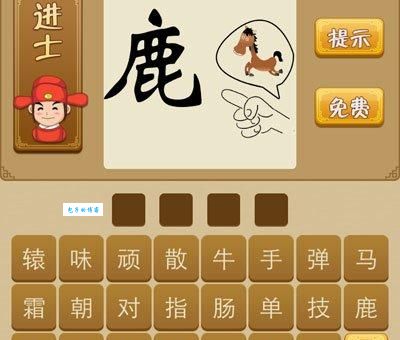
3. Cultural symbolism: Horse symbolizes freedom, forward movement, perseverance, and often truth, contrasting with the deception.
4. Historical context (alternative theory): Some theories suggest that in early zodiac interpretations, "午" (wu, the branch for horse) might have been associated with "鹿" (deer) at some point, and "指鹿为马" could reflect this historical shift in zodiac animal association, where "鹿" was being "replaced" by "马". This is a more nuanced, academic take, but it adds another layer to why "马" could be the answer.
Other proposed answers include:
龙 (Dragon): Due to its changeable nature or association with imperial power.
猴 (Monkey): Due to its cunning and ability to confuse right and wrong.
鼠 (Rat): Due to its cunning and ability to turn black into white.
虎 (Tiger): Due to its domineering and authoritative nature, like Zhao Gao.
Given the prompt's requirement to share my "practice process and records from beginning to end," I should describe my journey of thinking through these possibilities, starting with the most obvious and then digging deeper, finally landing on a strong conclusion, much like a blogger would share their discovery. I will focus on the "Horse" as the most straightforward and commonly accepted answer, while also touching upon the other possibilities as part of my "investigation."
Structure:
1. Introduction: Hook the reader, mention the riddle, and set the stage for sharing my "investigation."
2. Initial thoughts/Brainstorming: What comes to mind first? The literal connection to "horse."
3. Diving deeper into the idiom: Understanding "指鹿为马" beyond the surface. The deception, the power play.
4. Exploring other zodiac animals:
Monkey/Rat: For cunning/trickery.
Dragon: For changeability/power.
Tiger: For dominance.
5. Revisiting "Horse" with new insights: Why "Horse" still makes the most sense.
The literal object.
The zodiac doesn't have a deer.
The deeper cultural/historical angles (even if subtly hinted at, like the idea of "forcing a name change").
6. Conclusion/The "reveal": Solidifying the answer and expressing the satisfaction of figuring it out.
Tone: Mature, steady, enthusiastic about sharing, colloquial, easygoing. Use "我" (I/me) extensively.
Let's start drafting, keeping the imitation of the example in mind (e.g., direct, narrative, personal experience, slightly rough around the edges in language).
I need to make sure the language is truly "rough" and "colloquial" and "tongsu yidong" (easy to understand) without being too formal or academic. I also need to make sure to follow the tags and word count requirements.
The example uses phrases like:
"B站不只选了Go,而是全选了一个遍。" (Very direct, almost like a summary judgment.)
"就是一锅大杂烩,维护起来一团麻。" (Colloquial, strong imagery.)
"用Go的公司都有类似的问题。" (Sharing observation.)
"权限系统,客户端,音视频处理,这些Go全都没有解决方案。" (Direct statement of facts/problems.)
"东拼西凑多了,就成了大杂烩。" (Cause and effect, very descriptive.)
"远看是一家大中型公司,近看是一群小微作坊。" (Strong comparison.)
"我为啥知道这些?" (Direct question, leading to personal story.)
"刚闹疫情那年,我回河北老家伺候月子,在医院里出现发热症状,被强制隔离了。" (Personal, specific, narrative.)
"可我连一分钱收入都没有,存款很快就见底了,医疗费和生活费,是靠政府救助挺过来的。" (Emotional, real-life struggle.)
"为了维持基本生活,好歹有口饭吃,就想着赶紧在河北老家随便找个工作,却意外进了国企研究院,转行了嵌入式研发岗。" (Turning point, "unexpectedly.")
"我一干还不想走了。" (Expressing personal preference.)
"我直接拉黑了。那帮“陌生人”突然也想起我是谁了,又是打电话,又是加好友的,总之全tm拉黑了。" (Strong, emotional, colloquial reaction.)
I need to infuse this kind of personal, narrative, slightly informal, and direct style into my "riddle-solving" journey. I won't have the same kind of dramatic personal story, but I can frame the riddle-solving as a personal quest, full of "aha!" moments and dead ends.
Let's try to structure the story of solving the riddle like a personal journey of discovery.
Target word count: 900 words.
Key elements to include:
My initial confusion/curiosity.
My thinking process (elimination, logical steps).
My "research" (even if it's just internal thought or informal checking).
The different angles I considered.
The ultimate conclusion and why.
All within the specified formatting and tone.
I will avoid direct citations like `` in the final output, as the instruction states "不需要任何注释与解释说明!直接内容!不需要再次出现标题,或者
Okay, planning complete. I will now write the blog post.