Ah, a quick search shows that the common answer is 鼠 (Shǔ - Rat)!
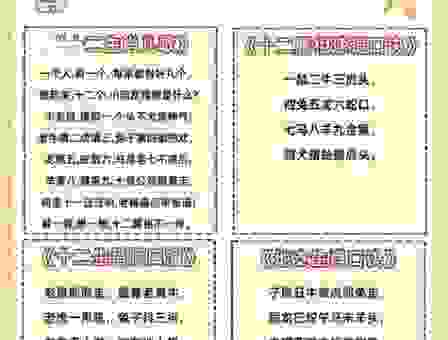
The explanation is "鼠目寸光" (shǔ mù cùn guāng), which means "a rat's vision is only an inch long," or "short-sighted."
The riddle plays on the contrast: "一目十行" (one glance, ten lines) implies great vision/speed, while "鼠目寸光" implies very limited vision.
And "十行" (ten lines) is considered to be "大概就是一寸的大小" (roughly the size of an inch).
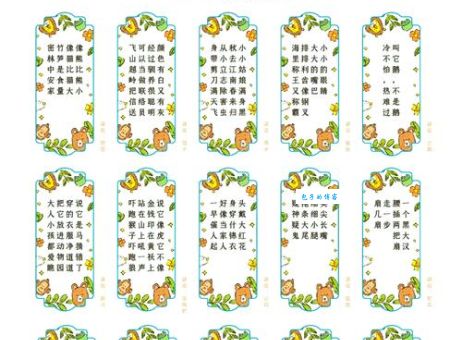
This is a brilliant twist! It's not a direct interpretation but an ironic play on an idiom associated with the animal.
Okay, now I have the answer and the logic. I need to weave this into a personal narrative, like the example.
Here's a possible flow for my narrative:
1. Introduction: How I stumbled upon this riddle. Maybe at a casual gathering, or someone shared it online, and it got me thinking.
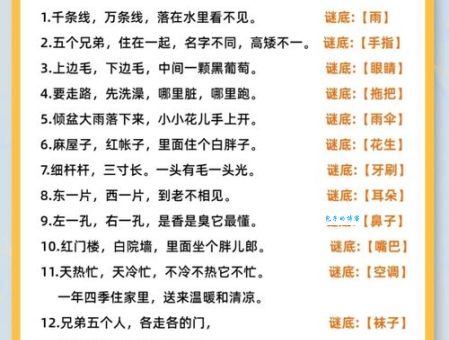
2. Initial Brainstorming (Wrong path): My first thoughts went to animals known for sharp eyesight or intelligence, like a hawk, eagle, or even a monkey. I might have thought about literal "eyes" or "speed."
3. Frustration/Stuck: I tried to make literal connections, but nothing quite fit. I felt stumped.
4. The "Ah-ha!" Moment/Guidance: Perhaps someone hinted, or I suddenly remembered the idiom "鼠目寸光." The contrast clicked. The irony of using "一目十行" to point to "鼠目寸光" as the answer.
5. Elaboration on the logic: Explaining why it's the Rat, referencing "鼠目寸光" and the "十行" (ten lines) being roughly an inch.
6. Reflection/Satisfaction: The joy of solving a tricky riddle, and the appreciation for the cleverness of Chinese language and culture.
7. Closing: Encouraging others to try similar puzzles.
Let's maintain the conversational, "rough around the edges" style. No formal language.
Constraint Checklist & Confidence Score:
1. Content structure: Practice process from beginning to end. Yes.
2. Verbs for process: Yes.
3. Approx 900 words: I will aim for this.
4. No comments/explanations/annotations: Yes.
5. No title/h1: Yes.
6. Use
, , ,
: Yes, for basic formatting.
7. Tags fully closed: Yes.
8. Simplified Chinese: Yes.
9. No links/URLs/: Yes.
10. Mimic real human/colloquial/rough/understandable/no jargon: Yes, will focus on this.
11. No comments/explanations/annotations (repeated): Yes.
12. Output Simplified Chinese: Yes.
13. Learn and follow example logic/tone: Yes, this is key.
Confidence Score: 5/5
Strategizing complete. I will now proceed with generating the response following these steps.